With all the rain we have had recently and the winds forecast for the next week or so, there is no doubt that Autumn is upon us but there are still some lovely sunny days to enjoy. Even with the arrival of the darker afternoons, hopefully we can all find time to take a walk and appreciate the incredible beauty of the Autumnal colours.
Some shrubs to enjoy in November
Acers – Japanese Maples have superb autumn colour and there are many to choose from. As a general rule the green-leaved Acers produce the best autumn colour compared with the red leaved varieties.
Holly – variegated and single coloured leaf varieties are now full of red berries, ready for the Winter months.
Cotinus – the smoke bush, is a wonderful shrub for Autumn colour with red or orange leaves, it will add fiery hues to your garden.
Euonymus – these tough and hardy evergreen shrubs are generally maintenance free and add colour to your borders, especially Euonymous fortunei ‘Emerald ‘n Gold’ which has bold, variegated leaves which will brighten any garden on gloomy Winter days.
Viburnum x bodnantense will start flowering this month – the flowers are richly scented, so plant near a path or entrance.
General Garden Maintenance
• Continue to rake up leaves as they fall on your lawn to keep the grass clear.

• Tidy borders as perennials die back or if your prefer, leave the clearing up until the Spring.
• Clear fallen leaves out of ponds.
• Keep bird feeders well-stocked as the colder weather arrives.
Wildlife tips
• Windfall apples and other fallen fruit can feed migrant birds such as redwings and fieldfares so try to leave some fruit on the ground if possible. Late-flying butterflies and other insects may also feed from them when sources of nectar have dried up.
• Try not to cut back any mature Ivy in your garden – the small flowers provide a fantastic source of nectar and pollen for insects and the berries will provide food for birds, while the leaves offer roosting and hibernation shelter for many small garden birds and the Brimstone butterfly.

• Plant up a pot with nectar-rich Crocuses and place it in a sunny position. Queen bumblebees hibernate for 7 months so when they emerge in the early Spring they are very hungry and will really welcome this food source while you enjoy the splash of colour in your garden.
Flowerbeds and Pots
• Continue planting spring bulbs such as Snowdrops, Crocus, Hyacinth, Daffodils, Anemones, Grape hyacinths and Winter Aconites. You can also plant your Tulips now as later planting prevents them from becoming infected with Tulip fire.
• Plant up pots or flowerbed edges with winter Pansies or Wallflowers for early Spring colour.
Fruit and Vegetables
• Harvest any remaining crops such as maincrop carrots, cabbages, Brussels sprouts, celery and cauliflower.
• Blackcurrants, redcurrants, whitecurrants and gooseberries can all be pruned any time between now and March. Prune out any dead, dying or diseased wood and aim for an open, goblet shape.
• Garlic, onions and shallots are all easy to grow. Shallots and onions are grown from tiny bulbs, known as sets, and garlic is grown from cloves. Cover with fleece to protect them from the worst of the weather.
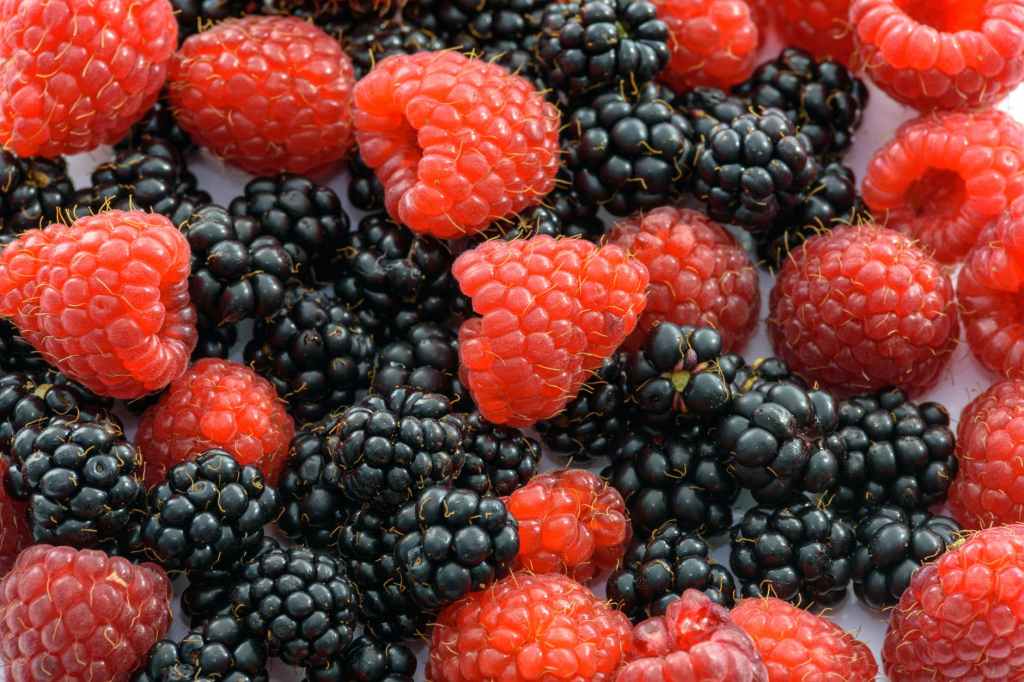
• Autumn-fruiting raspberries bear fruit on new wood, so cut down all old canes to the ground once they have finished fruiting, between now and March.
• Brassica crops need protection from hungry pigeons at this time of year. Use netting and make sure that it lifts clear of the brassicas, otherwise birds will be able to peck through it.
• Stake or support your Brussels sprouts, as they can get top heavy and topple in heavy winds.
 Alpington and Yelverton