News and Events

Gardens as a nature resource – Spring

In England the total gardens area is much larger than that of our Nature Reserves. This means that your and your neighbours’ gardens are an important resource for sustaining the biodiversity of our country.

In the Spring both nature and gardeners are becoming more active, so here’s some ideas that can help nature as you garden.

The Lawn

Consider allowing the grass to grow longer in some areas of your garden this spring and summer. This could allow buttercups, clover, dandelions and other plants to flower providing valuable nectar and pollen to bumblebees and other insects. It will also save you time with less areas to mow!

The longer grass can also provide cover for smaller creatures to hide from predators. Hedgehogs can be drawn to longer grass for nesting materials and food. Hedgehogs are a gardener’s friend keeping insect numbers and slugs and snails in balance, but the number of hedgehogs has dramatically declined over recent years. Always check long grass for any resident hedgehogs before mowing, and if your garden is fenced leave a small gap or two at the bottom to allow hedgehogs to travel between neighbouring gardens.

You don’t need to let your whole lawn go wild to help wildlife as some birds, such as blackbirds, thrushes and starlings, need short turf to probe for worms and other invertebrates.

If you have moss growing in your lawn then consider leaving some as it makes great nesting material for birds. If you rake moss out then you can use it to line your hanging baskets.

Hedges and shrubs

Many birds will be building nests in Spring so you should not trim hedges and shrubs where birds may be nesting at this time of year. If you see birds flitting among bushes with bits of twigs or other material in their beaks then try and give these areas a wide berth to avoid disturbing them.
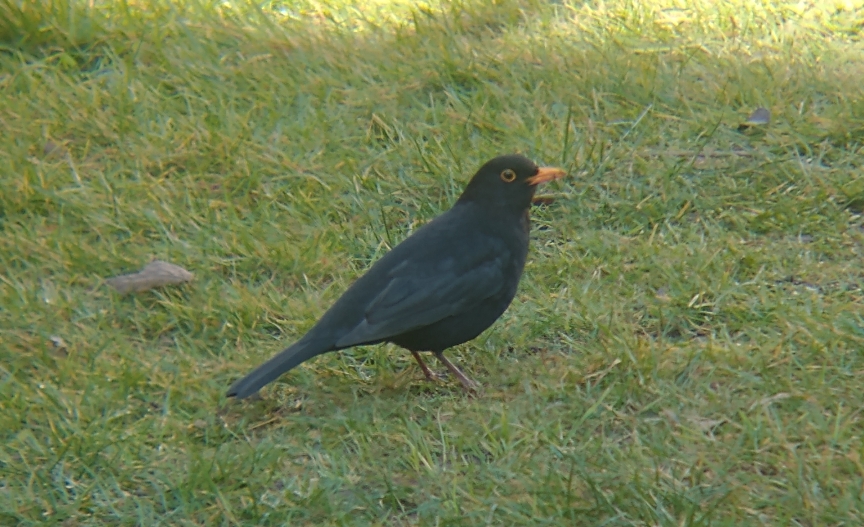
A male blackbird on the grass looking to the right

If you have a suitable site in your garden you could put up nest boxes. Check out the best type of nest box and position for the birds visiting your garden on the RSPB website.

Carry on feeding birds during the Spring but always ensure that your bird feeders are kept clean to avoid spreading diseases.

Water

Having a water source in your garden is a great way to attract wildlife. This could be anything from shallow dishes of water for birds, insects and other animals to drink from to a pond.

If you have shallow water dishes ensure these are kept clean and consider putting in some pebbles for insects to rest on whilst drinking. For deeper water containers and ponds make sure there’s a way for creatures such as hedgehogs to safely get out of the water.

Spring often sees an increase in blanket weed in ponds. If you rake this out leave it on the side of the pond for 24 hours before disposing of it so that any small creatures in it can get back in the pond. If you haven’t already got one, consider installing a water butt to collect rainwater from your gutters. Not only is rainwater great for watering your plants and refilling ponds, it saves you money and also reduces the amount of water going into our overstretched sewer system.

Planting

When choosing new plants for your garden this Spring, try to include a variety of pollen and nectar rich flowering plants that not only look beautiful but also provide food for insects and birds.

white daisy flowers

We hope you have found this article interesting and useful. We intend to produce similar articles for each of the four seasons as part of the Parish Council’s Biodiversity Action Plan.

On behalf of Alpington with Yelverton Parish Council

April 2024 – Jobs to do in the Garden

Spring is on the way and we have lots to do in our gardens preparing for the warmer months ahead. The weather may be unsettled but we can still get outside and work in our gardens whenever the weather allows.

Tidying up

There may still be some leaves lurking under shrubs and other corners in your garden so these can be raked out and flowerbeds tidied up, cutting back any perennials which may still have the old growth from last summer.

Mowing and edging

We can mow our lawns on a high cut if the grass is dry and frost-free and can tidy up the edges by re-cutting them with a half-moon or spade to give a neat edge to the flowerbeds or patio areas. Lawns will also benefit from a dose of lawn feed now.

Sowing Vegetable seeds

If you are planning to grow some vegetables, now is the time to sow tomatoes, runner beans, green peppers and courgettes which can then be planted on in due course. 

Planting up pots and baskets

Spring is the best time for creating new container displays. If you have the space, pot up your plug plants into larger pots as this will be cheaper than buying bigger pot plants later in the season.  Plant up summer baskets and store undercover for putting out in the garden in late May. We can also sow half-hardy bedding plants in seed trays in the greenhouse or indoors on a sunny window cill. 

Maintaining water butts and water features

If you have a pond or water feature, consider giving it a little post-winter maintenance. Clear out ponds: lift put any planting baskets and fish (keeping these in buckets of old pond water), bail out the water, remove sludge and refill with collected rainwater if possible (if you use tap water, let it stand for a week before putting any fish back in).

Check that your water butts are collecting water effectively, that the downpipes are clear and that the taps are working, these can sometimes become blocked with sludge or old leaves.

Protect from frost and wind

April can still bring frosty nights, so be ready to protect tender flowers and vegetables from frosts. Young, upright-growing plants may need some form of support, so stake tall plants to prevent them being damaged in any strong winds.

Weeding

As the weather warms up, the weeds also start to make an appearance. Keep on top of them by hoeing between plants and treating any paths or driveways with your preferred weedkiller.

As the middle month of Spring, April is such a  positive time, full of gardening promises. It is so uplifting to see the trees and shrubs awaken from their winter dormancy and burst into life, ready for the growing season ahead.

March 2024 – things to do in the Garden

March is the first month of Spring, longer and brighter days at last! There are likely to be some cold weeks but overall the average daily temperature will be increasing, encouraging our gardens into life again.

Plants to buy or enjoy in March

Herbs: Seek out small herb plants to pot up in containers near your back door

Young bedding plants: Look for good value young bedding plants to grow-on in your greenhouse, until they can be planted out.

Some plants to enjoy: Bergenia, Camellia, Daphne, Hellebores, Primroses.

General garden maintenance

• If dry enough, mow lawns and re-cut the edges with a half-moon edging tool
• Dig out a small pond to attract more wildlife
• Put slug barrier products around the new shoots of Hostas
• Replant pots of flowered bulbs from indoors into borders
• Check that tree ties aren’t too tight and that stakes are still firmly in the ground
• Prune out any wind-damaged branches on trees and shrubs
• Check for new shoots of ground elder, fork these up & remove all roots you see
• Place bug boxes in sheltered corners, for insects to lay their eggs
• Keep putting out food for garden birds, as the breeding season gets underway
• Cut back winter-flowering Jasmine to tidy it up and encourage flowers next year

Flowerbeds & pots

• Deadhead any daffodil seedheads on daffodils leaving the leaves to die back naturally
• Finish pruning roses early in the month
• Cut Dogwoods, Willows and Cotinus right down to the base to promote vigorous new growth
• Start sowing hardy annuals outdoors, including California poppies & Nasturtiums
• Tidy up alpines as they start to flower, removing dead foliage, then mulch with grit to keep the foliage off damp soil
• Plant lilies and other summer-flowering bulbs in pots
• Feed ericaceous shrubs, such as Rhododendrons, Azaleas, Camellias and Pieris, with an ericaceous fertiliser
• Tidy up borders, removing established and newly-germinating weeds, then mulch generously with garden compost
• Plant new roses and other shrubs and climbers
• Sow native wildflower seeds in trays or modules, to produce plants for your own mini-meadow
• Scatter general-purpose fertiliser over flowerbeds and around roses, shrubs and hedges

Fruit & Vegetables

Blackberries and Raspberries

• Give blackcurrant bushes a high-nitrogen feed
• Sow tomatoes, chillies, sweet peppers and aubergines in pots indoors
• Plant onion and shallot sets, spacing them 10-15cm apart, and keep the bed free of weeds
• Avoid carrot root fly by sowing an early crop of carrots under cloches or fleece
• Make the first outdoor sowings of spinach, covering with cloches or fleece
• Plant early potatoes in trenches in the ground or in pots
• Sow parsnips as soon as the soil starts to warm up, as they’re slow to germinate and need a long growing season
• Plant a fig tree in a large container to restrict its roots, which encourages fruiting and limits its overall size
• Start hoeing veg beds as soon as the weather starts to warm up, as weeds will germinate quickly
• Plant strawberries in a hanging basket or trough to keep the fruits away from slugs

Greenhouse or Windowsill

• Open greenhouse vents on sunny days to prevent humidity building up
• Get celeriac, celery, lettuces and parsley off to a good start sowing indoors, to transplant into the garden later
• Sow a selection of vibrant annual climbers, such as Spanish flag (Ipomoea lobata) and black-eyed Susan (Thunbergia alata)
• Sow Coleus on a warm windowsill to enjoy their vibrant foliage indoors or in tropical-style displays outside
• Sow dwarf French beans in a large pot for an early indoor crop in June
• Pot up overwintering cannas into fresh compost, water in, then place in a warm spot to spur them into growth
• Sow sweet peas in deep pots and keep in a greenhouse or on a sunny windowsill
• Protect greenhouse sowings of beans, peas & sweet peas from hungry mice

Petition for safety improvements along the A146 between Thurton and Hellington Corner

There’s a currently open petition to Norfolk County Council, with a closing date in 5 days (25th March):

“Safety improvements to A146 for pedestrians and motorists on the A146 between Birch Way Thurton and Hellington Corner”

The local Parish Councils are deeply concerned about the number of road traffic accidents that occur on the A146 between Thurton and Hellington Corner, and the difficulty for pedestrians to safely cross the road to reach bus stops, Thurton school, the George and Dragon Pub and the village hall and play ground.

Click the link below and then click the petition with the title above, it contains the evidence and reasoning, and the details of what’s being proposed.

https://norfolkcc.cmis.uk.com/norfolkcc/ePetitions.aspx

To sign the petition it’s just a case of adding your name and address.

Road Closure – Brooke – Norwich Road High Green and The Street – 11-12th Feb 2024

BROOKE – Upcoming temporary closure of B1332 Norwich Road, C203 High Green and C203 The Street (basically that’s the main crossroads on the main road through Brooke) for resurfacing works. 11th-12th Feb 2024.

From the official notice:

…affecting the 1) B1332 Norwich Road from 50m north of its junction with C203 The Street for 200m southwards; 2) C203 High Green from its junction with B1332 Norwich Road for 10m westwards; and 3) C203 The Street from its junction with B1332 Norwich Road for 10m eastwards; in the PARISH OF BROOKE to facilitate Norfolk County Council carriageway resurfacing works.

The roads 1), 2) and 3) will be temporarily closed (except for access) from 11th to 12th February 2024 for the duration of the works expected to be about 2 days within the period.

Jobs to do in the garden – Feb 2024

February is the month which should signal the end of Winter, when we can all start preparing for Spring and enjoy being out in our gardens more often, as the weather permits.

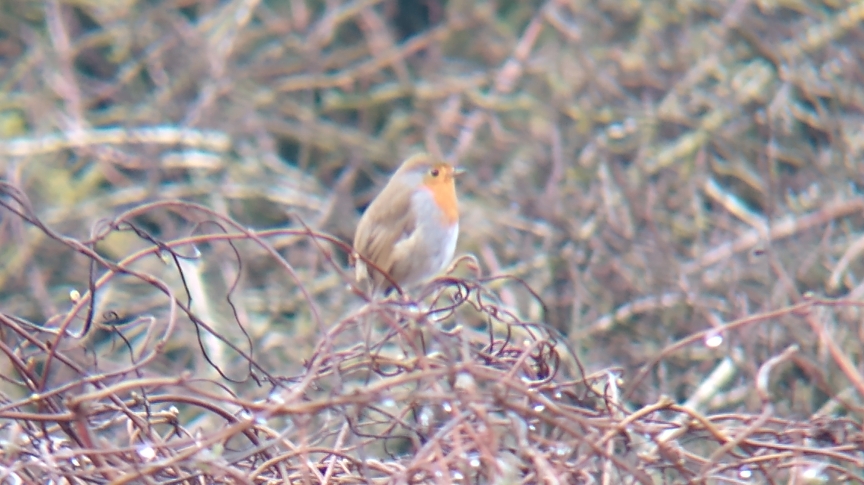
A profile shot of a robin sitting on a bush looking right

Plants to buy or enjoy this month

Shrubs: Early flowering Camelias, Jasminum nudiflorum (winter flowering Jasmine), Garrya elliptica (also known as the Silk Tassel tree)

Perennials & Bulbs: Hellebores, native Primroses, Pulmonaria. Also early Daffodils, Crocuses and Aconites.

General Garden maintenance

• If snow falls, knock it off evergreen shrubs & conifers to prevent branches snapping or bowing under the weight
• Firm back down any plants that have been lifted by frost
• Put garden compost or well-rotted manure on beds and fork it in
• Clear away old plant debris from pond margins and scoop out any leaves that have fallen into the water
• Spread a layer of well-rotted manure around roses and shrubs
• Install a nest box with a camera, so you can watch birds raising their young in Spring

A woodpigeon close up feeding on the grass

Flowerbeds & Pots

• Cut down deciduous ornamental grasses left standing over winter, before fresh shoots appear
• Divide large clumps of snowdrops and Winter aconites after flowering and replant to start new colonies
• Divide congested clumps of herbaceous perennials and grasses to make vigorous new plants for free
• Move dormant deciduous shrubs growing in the wrong place
• Pot up containers with hardy spring bedding, such as primroses, wallflowers and forget-me-nots
• Sprinkle slow-release fertiliser around the base of roses and other flowering shrubs

white daisy flowers

Pruning

• Prune hybrid tea and floribunda roses, before growth restarts
• Prune late-summer flowering clematis, cutting stems back to healthy buds about 30cm from the base
• Trim back ivy, Virginia creeper and other climbers if they have outgrown their space, before birds start nesting
• Prune winter-blooming shrubs such as mahonia & winter jasmine after they’ve flowered
• Cut back wisteria side shoots to three buds, to encourage abundant flowers in spring
• Give winter heathers a light trim after flowering, removing shoot tips but not cutting back into old wood
• Prune buddleia and elder down to 1m or to the base to keep these vigorous shrubs to a reasonable size
• Cut away all the old foliage from epimediums with shears, before the spring flowers start to develop
• Finish winter-pruning fruit trees and soft fruits, including apples, autumn raspberries and blackcurrants

Yellow secateurs

Greenhouse

• Remove any faded or yellowing leaves from overwintering plants
• Wash greenhouse glazing inside and out to let in more light
• Sow sweet peas in deep pots and keep them frost-free in a greenhouse and pinch out Autumn-sown sweet peas to encourage side shoots
• Sow summer bedding and tender annuals, including cosmos, lobelia, dahlias, nasturtiums and snapdragons
• Sow tender crops such as tomatoes and chillies in a heated propagator
• Plant dahlia tubers in trays to encourage shoots to develop
• Start planting summer bulbs in pots indoors, including begonias, gloxinias, lilies and agapanthus
• Cut back overwintered fuchsias and start watering them sparingly to encourage new growth