Reeders Lane in Alpington will be closed 27-28th June 2024, for water repair works. Further details, and a map, can be found here.
From the official notice:
… affecting the U76373 Reeders Lane from its junction with U76372 Wheel Road to its junction with C375 Green Lane (the “Road”) in the Parish of Alpington to facilitate Anglian Water repair works, the Road will be temporarily closed (except for pedestrian access) for the duration of the works/period the closure is necessary which is anticipated to be from 27th to 28th June 2024, but may continue to be closed/restricted until the 9th August 2024 where the closure is still required beyond the anticipated dates. Alternative route is via: Wheel Road, Bergh Apton Road, Church Meadow Lane, Green Lane.
The next Alpington with Yelverton Parish Council meeting will be held at 7.30pm at the village hall, Mon 1st July 2024. The agenda is downloadable here.
So much rain recently! As we go into June, officially the first month of Summer, there are lots of things to do in our gardens. And while we’re there we can cross our fingers that the sunny weather continues!
Some beautifully scented plants to buy or enjoy in June
• Common jasmine – A strong climber, which will quickly cover pergolas, trellises and sheds. • Star jasmine – This evergreen climber has a beautiful fragrance very similar to common jasmine. Shelter from cold, drying winds and site in full sun or partial shade. • Peonies – There are many perfumed peonies available. • Lilies – Easy to grow in containers or pots, they prefer ericaceous conditions. • Philadelphus – The mock orange, is one of the most richly scented plants.
General Garden Maintenance
• Empty, mix and refill compost bins to speed up decomposition • Spray roses showing signs of disease, such as blackspot, powdery mildew or rust • Continue watering any new plantings until they’re well established • Water newly laid turf several times a week, for at least the first month • Trim fast-growing hedges, such as privet, every six weeks over the summer • Put stakes in to support tall, large-flowered dahlias and tie in stems as they grow • Prune spring-flowering shrubs, such as kerria, choisya, chaenomeles and ribes, after flowering • Check hedges and shrubs for nesting birds before you start any trimming or pruning, so you don’t disturb them • Remove any all-green shoots on variegated shrubs, cutting right back to their base • Feed lawns with a liquid or granular lawn fertiliser
Flowerbeds and Pots
• Lift and store tulip bulbs after flowering • Give wisteria its summer prune, cutting all the long sideshoots back to 20cm, to promote flowering next spring • Support tall-growing perennials, including hollyhocks and delphiniums, with a sturdy cane or supports • Continue planting summer bedding in pots and borders, and water regularly to help plants establish quickly • Cut back spring-flowering perennials, such as pulmonaria, to encourage a fresh flush of foliage • Tie in new stems of climbing and rambling roses horizontally to supports, to encourage more flowers • Pinch out the tips of fuchsias and bedding plants to encourage bushier growth • Give container displays and hanging baskets a liquid feed every few weeks to encourage flowering • Fill any gaps in borders with pots of tall bulbs, such as fragrant lilies, to add instant colour • Prune late-spring or early-summer shrubs after flowering, such as weigela and philadelphus, thinning out the older stems • Add marginal plants, such as arum lilies and marsh marigolds, around the edges of your pond
Fruit and vegetables
• Plant out sweetcorn after hardening off, arranging plants in blocks to aid pollination • Cover developing and ripening fruits with netting or fleece to protect them from birds • Enjoy the last harvests of asparagus this month, then leave the ferny top-growth to grow up over the summer • Spread mulch around thirsty crops such as beans and courgettes to hold in moisture around their roots • Water vegetables and fruit in containers regularly, especially during dry sunny weather • Go on regular snail hunts, especially on damp evenings, to reduce populations • Tie in new shoots of blackberries, raspberries, loganberries and other cane fruits • Apply tomato feed regularly to fruiting veg crops, including tomatoes, courgettes, pumpkins and chillies • Rejuvenate chives by cutting the clump down to the base, for a fresh crop of new leaves in just a few weeks • Water beans and peas as they start to flower • Pull out any raspberry canes sprouting up out of their dedicated area
Greenhouse
• Sow herbs in pots to grow on your kitchen windowsill, such as coriander, parsley and basil • Plant out tender vegetables raised indoors, including beans, tomatoes, pumpkins, courgettes and sweetcorn • Put houseplants outside for the summer in a warm, sheltered spot to enjoy the fresh air and extra light • Harden off hanging baskets and pots of summer bedding that have been growing in the greenhouse • Water plants daily in warm weather, ideally in the evening or early morning, and avoid splashing the foliage • Increase greenhouse shading and ventilation to keep temperatures down on hot days • Feed flowering and fruiting plants weekly with tomato feed • Water greenhouse tomatoes regularly to prevent split fruits and end rot • Start watering houseplants more frequently as temperatures and light levels increase
There’s a Volunteering Extravaganza event at The Forum in Norwich Friday 7th June from 10.30 to 4pm.
It is an opportunity for anyone who might be interested in volunteering to discover some of the amazing charities and voluntary organisations in the county and chat with them about what sort of volunteering opportunities are available.
Over 50 organisations will be taking part by giving demonstrations, bringing along existing volunteers and offering activities that give some insight into their work, or just a fun way of engaging in conversations. In The Gallery, the Voice of Volunteers will be a continuous programme of volunteers from different organisations talking about why they got involved, what they do and how much they get out of it.
The 6th June 2024 marks the 80th Anniversary of D Day when Allied forces mounted the largest amphibious invasion ever seen, starting the action that would lead to the liberation of North-Western Europe from Nazi occupation.
Across the nation, the bravery and sacrifice of those people who secured the peace and freedom we enjoy today will be remembered by the lighting of beacons and the Lamplights of Peace at 9.15pm on 6th June.
In our Village, we will be commemorating this by the lighting of the Lamplight of Peace and the reading of The International Tribute of Peace by Bryony Falkus, Alpington resident and Deputy Lord Lieutenant of Norfolk, at 9.15pm at the Wheel of Fortune, Alpington.
Also at the Wheel that evening there will be Fish and Chips available from the Hippy Chippy (Fish and Chips were never rationed during the Second World War), a D Day themed quiz from 7pm and live music from Julie Dee after the quiz. Please let Barry and Naomi at the Wheel know if you want to join in the Quiz (maximum 6 people per team), telephone number 01508 492712.
May is recognised as the last month of Spring, we are now well on our way to early Summer and our dormant gardens have now transformed themselves into a world of new growth and greenery.
Some plants to buy or enjoy in May
Euphorbias, Wallflowers, Honesty, Tulips & glorious Peonies, Nicotiana, Honeysuckles, sweet peas & the fragile, stunningly-fragant Lily of the Valley are but a few of the lovely flowers to enjoy this month.
Azaleas and Rhododendrons are also at their best in May together with Deutzia, Cornus (flowering dogwoods) and Viburnum plicatum.
General Garden maintenance
• Hoe or hand-weed beds weekly, to prevent weeds establishing themselves • Put supports in place for perennials that are prone to flopping, such as top-heavy peonies or phlox • Apply nitrogen-rich summer lawn feed to encourage green growth • Trim topiary and shaped shrubs regularly to promote bushy growth and keep them neat • Sow grass seed or lay new turf by the end of this month • Check shrubs for nests before you start any pruning, to avoid disturbing nesting birds • Clean out and scrub bird feeders regularly to maintain hygiene • Build sturdy wigwams and supports for climbers such as runner beans, sweet peas and morning glory • Watch out for aphids on shoot tips and young foliage, and wipe them off or spray with a shop bought solution • Scoop out pondweed, blanketweed and algae from ponds • Paint or treat wooden garden furniture ready for summer
Flowerbeds and Pots
• Prune spring shrubs eg: forsythia and chaenomeles, after flowering to keep them compact • Plant out dahlia tubers and cannas after all risk of frost has passed • Tie in the new shoots of climbing plants, including clematis, wisteria and honeysuckle • Plant up hanging baskets, but keep in a greenhouse or porch for a few weeks to establish, before putting outside • Apply liquid feed to tulips, daffodils and other spring bulbs to encourage a good display next year • Plant out summer bedding and tender annuals, including sunflowers, cosmos and nasturtiums, after the last frost • Check lilies and fritillaries for scarlet lily beetles and their larvae, as they can rapidly strip plants of all foliage • Harden off tender plants raised indoors, but bring them back in at night to protect from late frosts • Pinch out the shoot tips of bedding plants and young annuals to encourage bushier growth • Add interest to shady borders or corners by planting a selection of hostas and ferns in the ground or in pots
The “Chelsea Chop”
• The Chelsea Chop is a way of cutting back herbaceous and perennials plants to make them bushier, with more stems and more flowers. It’s good for plants which can get too tall or leggy later in the year, such as Nepeta, Phlox, Alchemilla and daisy-flowered perennials like Asters and Michaelmas Daisies. • By chopping of the top of the stems in late May, growth will be checked and the plant will throw out more shoots and flower later. The Chelsea chop is really a light prune, and the result is a more compact plant which will flower slightly later. • Traditionally done in late May to coincide with the time of the Chelsea flower show, the idea is to prune the plant back by about a third, by reducing the length of the plant stems. You can either chop the whole plant, or selected plants in the group, or individual stems on the plant to stagger flowering. Whilst May is the traditional time, it depends on the growing season as the plant needs to have put on a decent amount of growth to be reduced by the Chop.
Fruit and vegetables
• Earth up potatoes, covering the shoots with soil as they appear • Start sowing dwarf and climbing French beans, as well as runner beans, directly outdoors in warm weather • Pick rhubarb stems and water plants with liquid feed • Start hardening off tender young plants, such as tomatoes and courgettes, ready for planting out in mild areas • Sow batches of salad leaves and stir-fry crops every few weeks to provide continuous pickings
In England the total gardens area is much larger than that of our Nature Reserves. This means that your and your neighbours’ gardens are an important resource for sustaining the biodiversity of our country.
In the Spring both nature and gardeners are becoming more active, so here’s some ideas that can help nature as you garden.
The Lawn
Consider allowing the grass to grow longer in some areas of your garden this spring and summer. This could allow buttercups, clover, dandelions and other plants to flower providing valuable nectar and pollen to bumblebees and other insects. It will also save you time with less areas to mow!
The longer grass can also provide cover for smaller creatures to hide from predators. Hedgehogs can be drawn to longer grass for nesting materials and food. Hedgehogs are a gardener’s friend keeping insect numbers and slugs and snails in balance, but the number of hedgehogs has dramatically declined over recent years. Always check long grass for any resident hedgehogs before mowing, and if your garden is fenced leave a small gap or two at the bottom to allow hedgehogs to travel between neighbouring gardens.
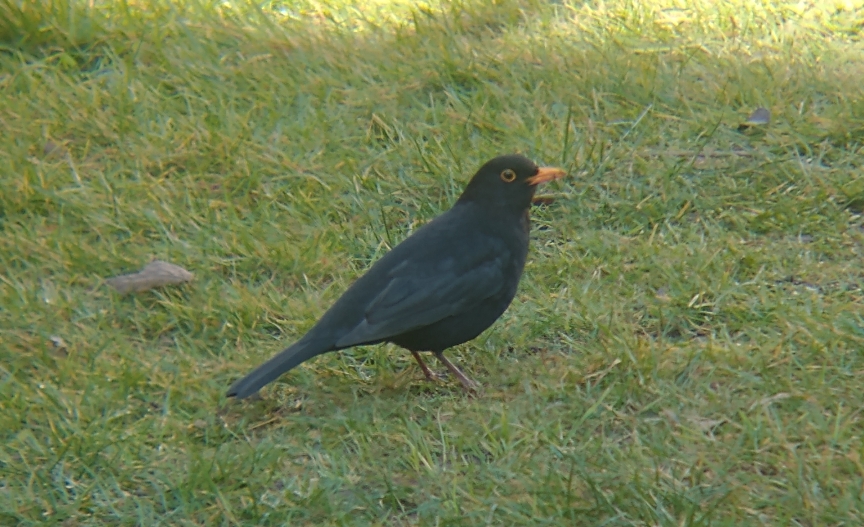
You don’t need to let your whole lawn go wild to help wildlife as some birds, such as blackbirds, thrushes and starlings, need short turf to probe for worms and other invertebrates.
If you have moss growing in your lawn then consider leaving some as it makes great nesting material for birds. If you rake moss out then you can use it to line your hanging baskets.
Hedges and shrubs
Many birds will be building nests in Spring so you should not trim hedges and shrubs where birds may be nesting at this time of year. If you see birds flitting among bushes with bits of twigs or other material in their beaks then try and give these areas a wide berth to avoid disturbing them.
If you have a suitable site in your garden you could put up nest boxes. Check out the best type of nest box and position for the birds visiting your garden on the RSPB website.
Carry on feeding birds during the Spring but always ensure that your bird feeders are kept clean to avoid spreading diseases.
Water
Having a water source in your garden is a great way to attract wildlife. This could be anything from shallow dishes of water for birds, insects and other animals to drink from to a pond.
If you have shallow water dishes ensure these are kept clean and consider putting in some pebbles for insects to rest on whilst drinking. For deeper water containers and ponds make sure there’s a way for creatures such as hedgehogs to safely get out of the water.
Spring often sees an increase in blanket weed in ponds. If you rake this out leave it on the side of the pond for 24 hours before disposing of it so that any small creatures in it can get back in the pond. If you haven’t already got one, consider installing a water butt to collect rainwater from your gutters. Not only is rainwater great for watering your plants and refilling ponds, it saves you money and also reduces the amount of water going into our overstretched sewer system.
Planting
When choosing new plants for your garden this Spring, try to include a variety of pollen and nectar rich flowering plants that not only look beautiful but also provide food for insects and birds.
We hope you have found this article interesting and useful. We intend to produce similar articles for each of the four seasons as part of the Parish Council’s Biodiversity Action Plan.
On behalf of Alpington with Yelverton Parish Council




 Alpington and Yelverton